


Select finishes, membranes, and adhesives formulated without petrochemical polymers to cut plasticizers and residual monomers that linger in occupied spaces. Pair that with verified low-VOC chemistry, mineral or bio-based binders, and thorough cure schedules, ensuring commissioning teams measure results, not intentions, during occupancy readiness assessments.
Natural fibers, dense mineral surfaces, and mechanically fastened assemblies typically shed fewer micro-particles than polymer-rich composites, retaining finish quality under cleaning cycles and UV exposure. Specify abrasion standards, finish hardness, and repair protocols, so janitorial teams preserve appearance without plastic coatings or disposable protective films masking premature wear.
Selecting components free from synthetic polymers interrupts a waste stream that otherwise migrates from packaging to site to stormwater. Require returnable crates, durable pallets, and paper-based protection, then track site waste audits, ensuring subcontractors receive clear expectations, signage, and incentives aligned with measurable diversion and contamination thresholds.
Set numeric targets—compressive strength, abrasion cycles, vapor permeability, ignition propensity, impact resistance—so products are compared fairly without fallback to plastic coatings. Reference ASTM, EN, or ISO procedures, and pre-approve equivalent tests, ensuring suppliers cannot distract with marketing language when results and tolerances decide acceptance.
Require Environmental Product Declarations, Health Product Declarations, and ingredient lists that explicitly confirm the absence of synthetic polymers. Cross-check third-party audits, chain-of-custody numbers, and factory certificates, then retain samples for destructive testing, enabling your punch walks to reference evidence instead of hearsay or hurried assurances.
Premium is felt in the hand and seen across time. Specify grain matching, stone orientation, lime plaster flatness, and edge radii that invite touch without protective films. Call for field mockups under site lighting, confirming colorfastness, sheen, and joinery while installers refine sequencing and tooling.

Choose FSC or PEFC timber, solvent-free oil or soap finishes, densified cork flooring with natural binders, and cellulose insulation treated with mineral fire retardants. Detail vapor-open walls, back-primed cladding, and ventilated rainscreens, so assemblies endure seasonal movement without resorting to plastic membranes, foams, or caulks.
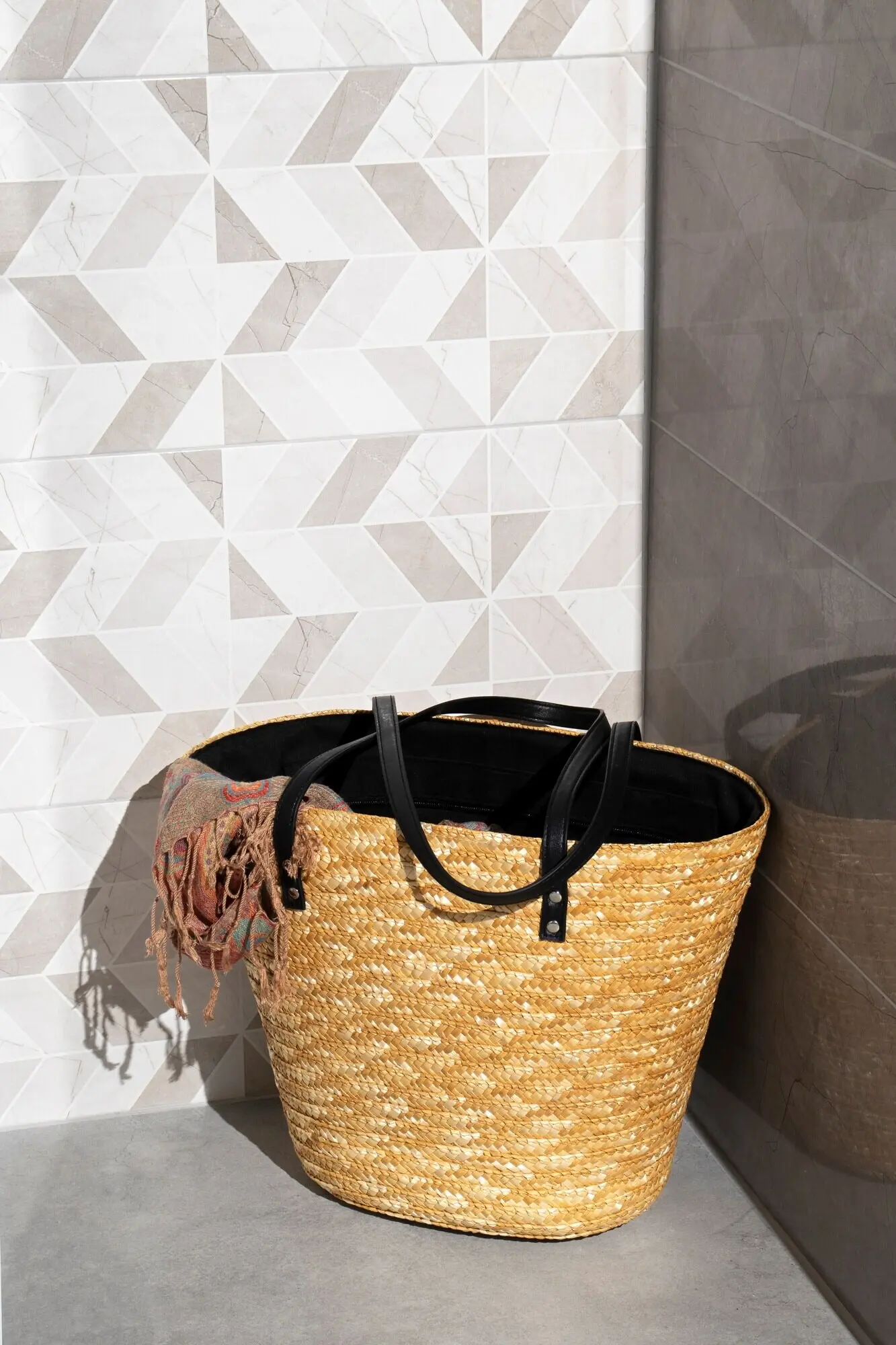
Specify lime-based mortars, clay plasters, and hydraulic binders where appropriate, pairing stone thickness and bedding with realistic point loads. Favor glass assemblies with mechanical gaskets made from non-plastic materials where feasible, or detail reversible systems, enabling maintenance and end-of-life recovery without composite adhesives that complicate separation.

Explore hemp-lime walling, mycelium acoustics, casein-based paints, and structural bamboo, but insist on fire performance, dimensional stability, and third-party durability testing. Pilot installations in back-of-house areas, monitor seasonal behavior, then scale with confidence once maintenance logs, moisture readings, and user feedback confirm suitability for public-facing spaces.

All Rights Reserved.