Luxury Kitchens, Zero Plastic: Elegance That Lasts
Today we explore high-end kitchen remodels using plastic-free materials, proving that true luxury is built from enduring elements like stone, hardwood, glass, ceramic, and metal. Expect practical guidance, beautiful details, and honest advice about finishes, maintenance, and performance. Join our community, share your questions, and subscribe for ongoing inspiration if you are committed to craftsmanship, longevity, and healthier spaces shaped by natural, time-tested materials.
Material Mastery for Lasting Beauty

Solid Wood Cabinetry Without Synthetics
Opt for responsibly harvested hardwoods and formaldehyde-free, low-toxicity engineered cores when necessary, paired with mechanical joinery like dovetails and mortise-and-tenon connections. Skip plastic laminates by embracing hand-rubbed natural oils and hardwax finishes that highlight grain and allow easy spot repair. Integrate solid brass or stainless hardware, and use reversible assembly methods so future repairs or upgrades can occur without wasteful demolition.
Surfaces That Age Gracefully
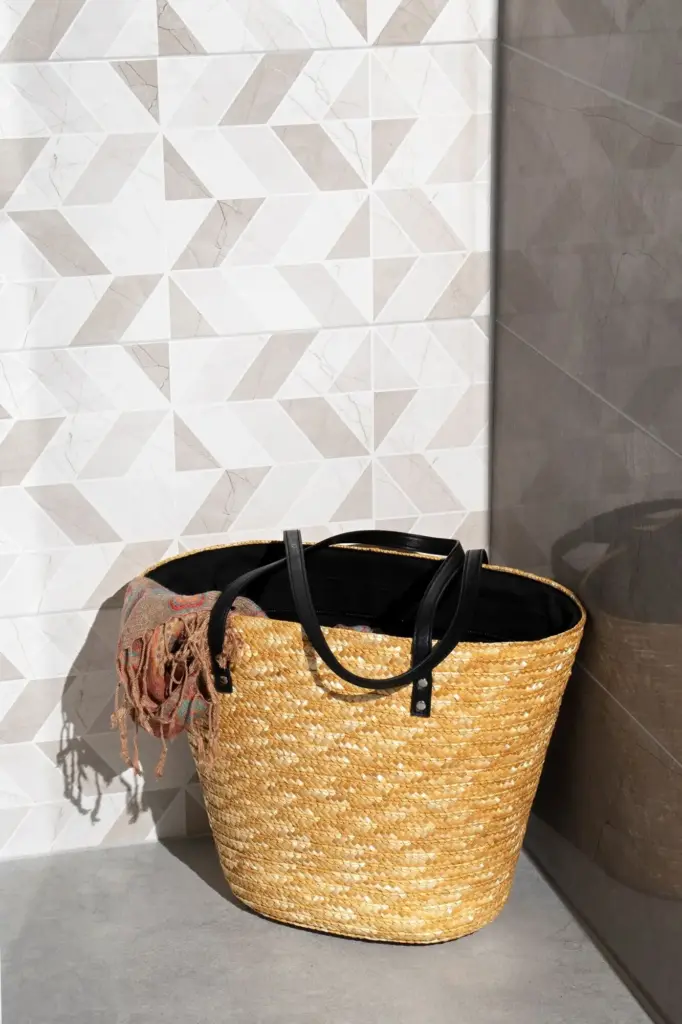
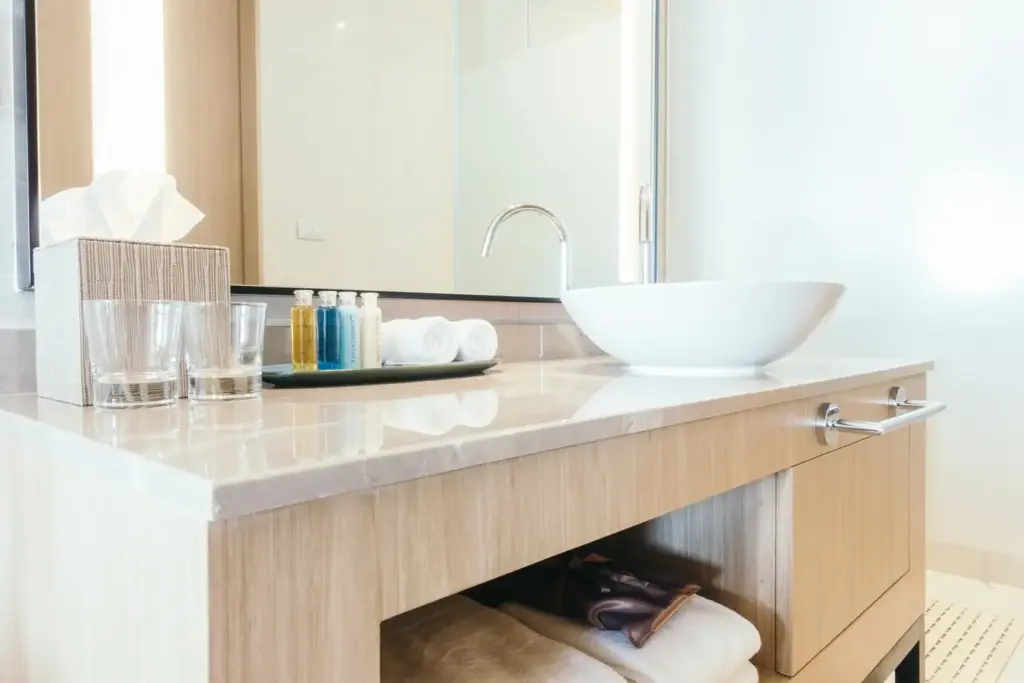
Choose soapstone, quartzite, granite, or lava stone for resilient worktops that tolerate heat and daily wear. Consider terrazzo bound with cement, unfazed by hot pans and easy to refinish. For walls and backsplashes, glazed ceramic or porcelain tile offers incredible longevity with minimal maintenance. Avoid resin-bound composites by embracing dense, natural alternatives sealed with breathable, solvent-free products that preserve both beauty and indoor air quality.

Metal and Glass Accents with Purpose
Stainless steel worktops, copper rails, and brushed brass details add structure, reflective light, and functional durability. Use architectural glass for doors and shelves to lighten heavy masses while staying entirely plastic-free. Enameled steel panels and sinks resist impacts and stains with a classic gleam. Patinated finishes invite graceful aging rather than superficial perfectionism, and every piece can be cleaned, polished, or even re-enameled to extend its working life.
Planning for Performance and Flow
High-end results begin with precise planning that respects movement, ventilation, and adaptable storage. By prioritizing human-scale ergonomics and zoned workflows, you achieve speed, safety, and calm. Plastic-free choices can enhance organization when combined with solid wood drawers, dovetailed dividers, and ventilated larders. Thoughtful layouts reduce clutter, cut cleaning time, and spotlight natural materials. We share practical sequencing, service clearances, and code-savvy guidance for elegant, long-term functionality.
Cooking Zone Efficiency
Center heat-intensive tasks around robust ventilation, durable stone or steel landing zones, and non-plastic utensils stored on magnetic bars or metal rails. Give cast-iron cookware easy access and protect adjacent surfaces with tile risers or enameled steel backs. Arrange spices in glass jars and label with paper or etched metals. Prioritize quick-reach tools, clear sightlines, and safety, letting resilient materials handle proximity to flames and splatter.

Prep and Cleanup Synergy
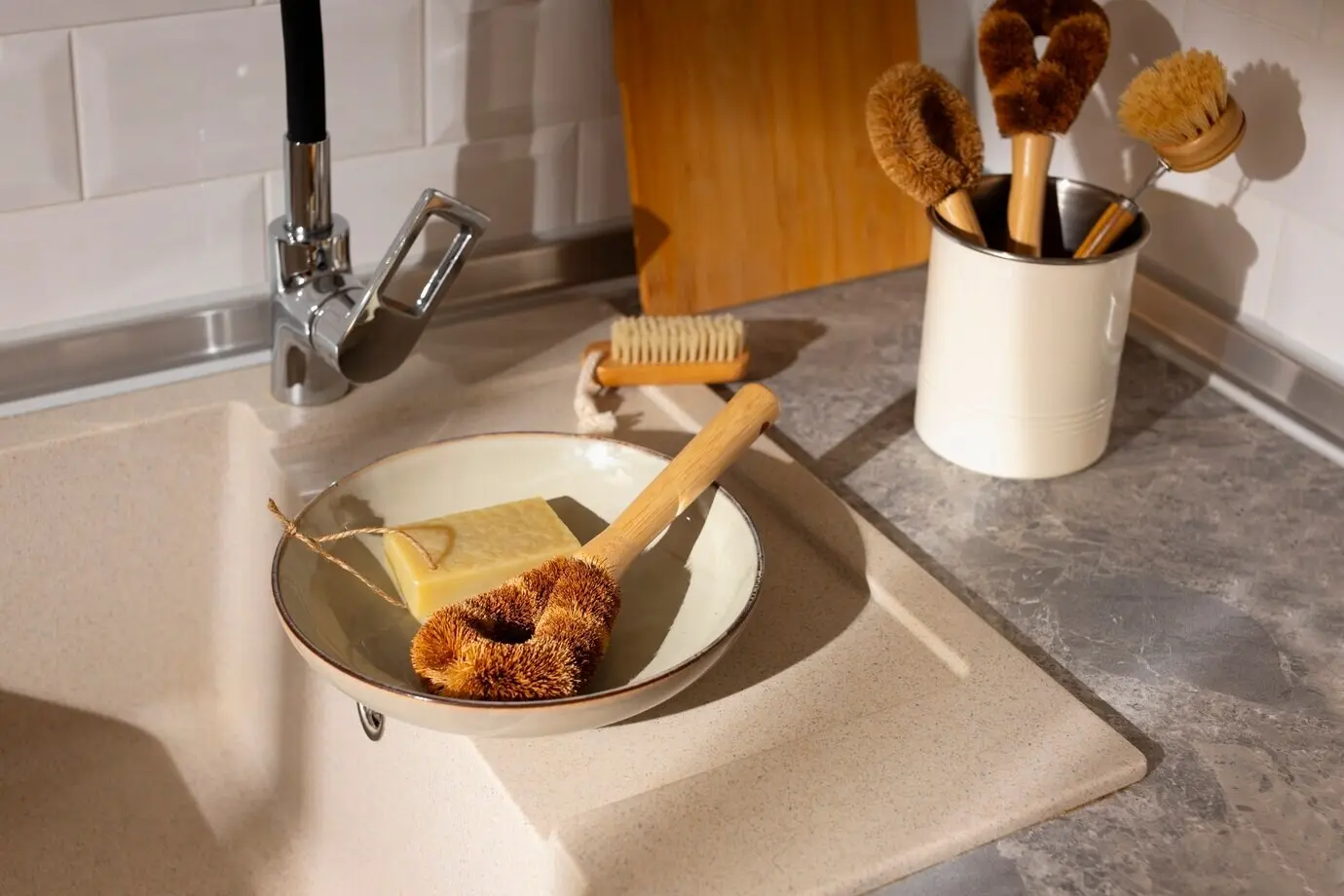
Pair generous stone or wood prep surfaces with deep, enameled or stainless sinks and metal drying racks that avoid plastic mats. Use glass or ceramic bowls for mise en place, and rely on compost bins lined with paper rather than polymer bags. Incorporate foot-pedal or knee-touch faucet activators with metal housings, and position cutting boards near knife storage to keep workflows compact, sanitary, and pleasantly tactile.
Protective Oils and Waxes
Hardwax oil systems made from natural oils and waxes penetrate wood, enhancing grain and providing a matte, repairable shield. Maintenance is simple: clean with soap flakes, buff lightly, and re-oil high-traffic zones as needed. These finishes avoid plastic films, resist micro-scratches, and allow spot fixes without sanding entire panels. Over time, the surface gains depth and luster, reflecting the rhythms of real cooking and daily gathering.

Mineral Paints and Plasters
Choose limewash, clay finishes, or potassium silicate paints that mineralize into the substrate and remain permeable. They regulate humidity, resist mold through alkalinity, and develop nuanced color variation that flat acrylic cannot emulate. Combined with lime or clay plasters, they deliver soft light diffusion, subtle movement, and easy touch-ups. This approach complements stone, wood, and metal, creating a cohesive, breathable envelope that welcomes genuine material character.
Joining Without Plastic Resins
Where strength and reversibility matter, prioritize dovetails, drawbore pegs, and concealed mechanical fasteners over polymer-dependent adhesives. For tile, rely on cement-based mortars and natural grout with mineral pigments. In select cabinetry applications, consider traditional hide or casein glue, both repairable with moisture and heat. This toolkit preserves future serviceability, avoids brittle failure modes, and aligns with a philosophy that favors maintenance and adaptation over disposability and hidden compromises.
Appliances, Lighting, and Integration
Seamless integration honors both performance and material integrity. Prefer appliances with metal and glass exteriors, reversible panel options in solid wood, and minimal plastic trim. Plan for robust ventilation, insulated ducting, and service clearances. Layer lighting with metal housings and glass shades for warm, glare-free illumination that flatters stone and wood. Consider porcelain switchgear, dimmable circuits, and thoughtful task placements so the space feels quiet, responsive, and timelessly composed.
Where to Invest Deeply
Allocate resources to solid-wood cabinetry, stone counters, and serious ventilation because they determine both function and resale value. Choose hardware in brass or stainless with serviceable mechanisms and standard screws. Invest in skilled finishing and precision installation to minimize callbacks. Durable, plastic-free choices resist fashion cycles and damage, preserving beauty through accidents, guests, and seasons. Over years, the premium feels modest compared with frequent replacement of inferior components.
Where to Save with Integrity
Embrace reclaimed stone, surplus tile lots, and repurposed solid-wood doors shaped into pantry fronts. Refinish existing floors with breathable oils rather than replacing. Choose open shelving where closed storage is unnecessary, reducing hardware costs while showcasing beloved ceramics and glassware. Salvage metal fixtures, rewired to code, that bring character without plastic diffusers. This approach preserves resources, history, and budget while keeping the design coherent, honest, and repair-friendly.
Care, Repair, and Longevity
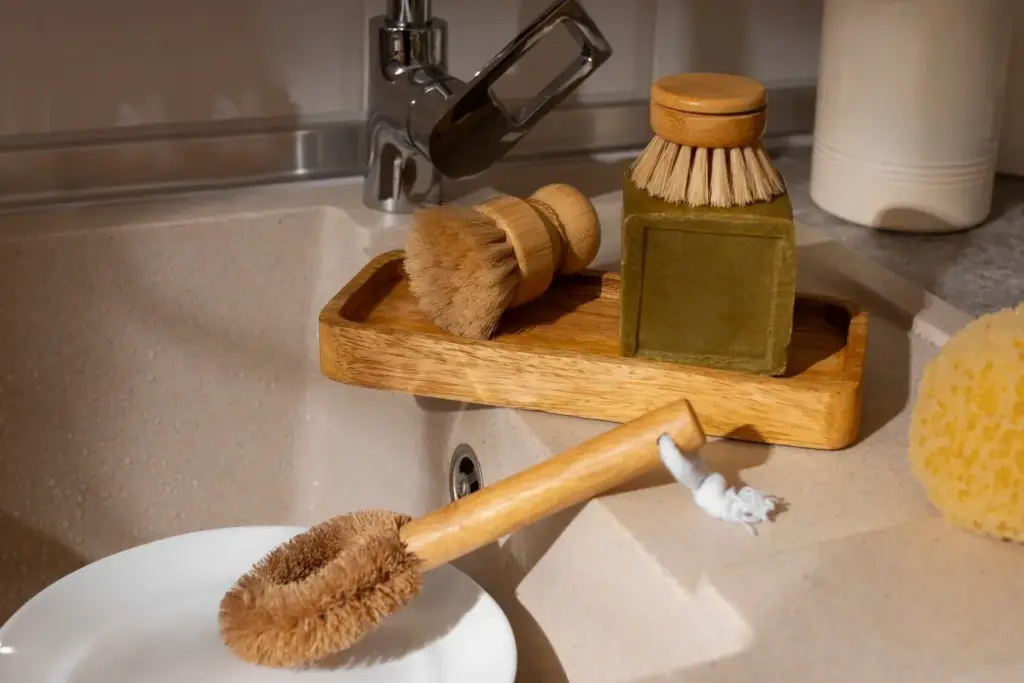
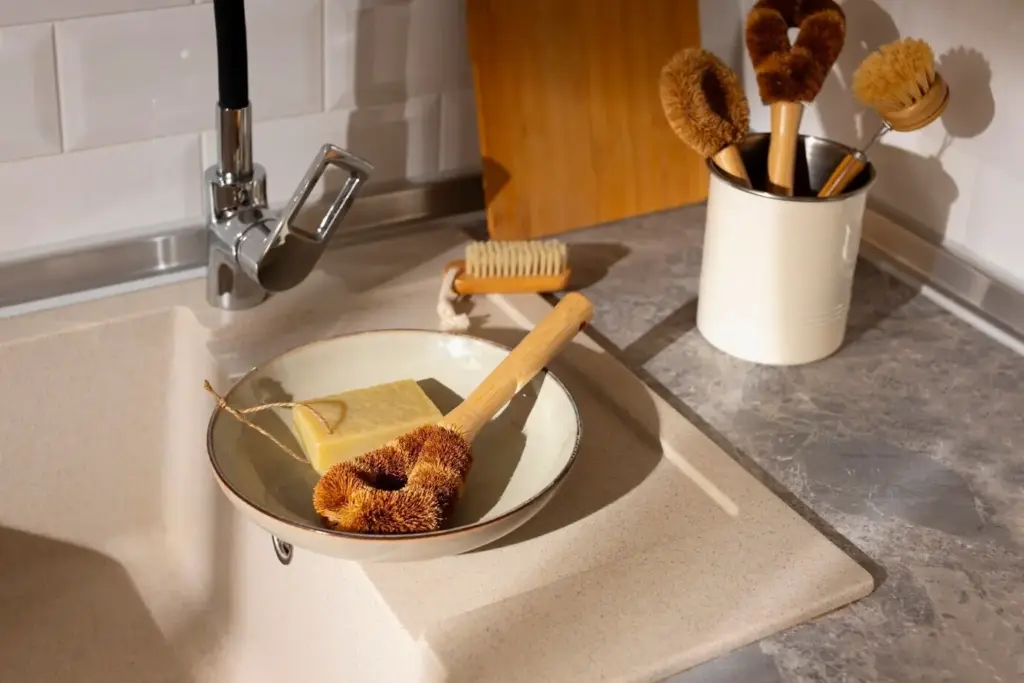
Stewardship is the hallmark of high-end spaces. Plastic-free kitchens invite simple, ritualized care with gentle soaps, natural brushes, and breathable protectants. Stone appreciates pH-appropriate cleaners and periodic sealing with low-toxicity products. Wood rewards routine oil refreshes. Metals polish beautifully yet tolerate patina. Tile grout cleans reliably when chosen wisely. Establish rhythms that protect your investment, celebrate age, and keep maintenance calm, predictable, and pleasantly hands-on rather than disposable.
Stories from Real Homes
Narratives reveal how principles work under pressure. From a compact city galley to a sprawling countryside cookhouse, plastic-free choices performed elegantly, resisting stains, handling heat, and simplifying repairs. Design teams leaned on local stonecutters, cabinetmakers, and metalworkers to solve surprises. These accounts invite questions, comparisons, and ideas. Share your experience in the comments and subscribe to follow future walkthroughs, whether you are planning, dreaming, or already deep in construction dust.
All Rights Reserved.